Commercial Roofing in Nocatee, FL: Why Flat Roof Drainage Matters and Florida‑Specific Fixes for Commercial Buildings
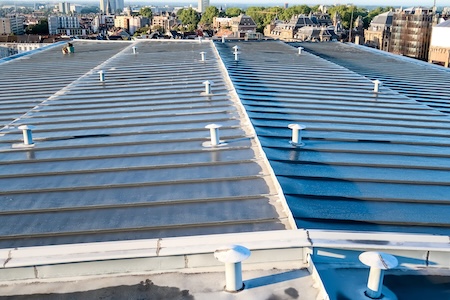
Flat roof drainage is a quiet hero in commercial roofing. When it works, you hardly notice it. When it fails, water lingers, seams swell, and ceilings stain. If you manage a plaza near Nocatee Town Center or a warehouse by the St. Johns Parkway corridor, proper drainage protects your operations, your tenants, and your reputation. With Florida’s sudden downpours and long humid seasons, the stakes are higher, so partnering with a local commercial roofing team that understands our climate is essential.
What Flat Roof Drainage Really Does in Florida
Flat roofs are not truly flat. They rely on subtle slopes, internal drains or scuppers, and properly sized downspouts to move water off the membrane fast. In Northeast Florida, afternoon storms can drop a lot of rain in minutes. Good drainage prevents ponding, reduces load on the structure, and limits the time water sits on seams and penetrations.
Think of your roof like a parking lot. If the striping guides traffic, cars flow smoothly. If the lanes are unclear, everything jams. Drainage is your traffic plan for water. When designed and maintained, water “exits” quickly and doesn’t loiter in low spots.
Signs Your Building Has a Drainage Problem
- Standing water that sticks around a day or more after rain
- Stained ceiling tiles, damp insulation smells, or peeling paint inside
- Algae trails around scuppers, strainers, or parapet corners
- Wrinkled or uplifted membrane near drains and rooftop units
- Gutters that overflow during typical afternoon showers
If you see these symptoms at properties in Twenty Mile, Crosswater, or near Durbin Park, act quickly. Ponding water is not normal on a healthy commercial roof.
Florida-Specific Risks That Make Drainage Critical
Our coastal climate adds unique pressures:
- Short, intense storms that overwhelm undersized drains
- Wind-driven rain that pushes water against parapets and under loose flashings
- Leaves and twigs from live oaks that clog strainers and scuppers each fall
- Salt air and heat that age plastics and metals faster than expected
Local codes require positive drainage and overflow protection for commercial roofs. Specific requirements vary by building and system, so your roofing manufacturer’s standards and local guidelines should drive the design and the repairs.
Florida-Specific Fixes That Work in Nocatee
Add or Reposition Scuppers and Drains
If ponding occurs near parapet corners, additional scuppers or a relocated interior drain can relieve the low spot. A professional assessment will identify where water naturally wants to go and create a safe exit path without stressing the membrane.
Improve Taper Insulation and Crickets
Low slope roofs depend on taper. Strategic crickets behind rooftop units or along long parapets nudge water toward drains. This reduces standing water that can cook the membrane on hot afternoons.
Upgrade Strainers and Protect Downspouts
High‑flow strainers, debris guards, and protected downspout terminations help keep water moving during heavy bursts. This is especially helpful for buildings near preserved greenways where leaves and seeds collect on the roof.
Reinforce Flashings and Penetrations
Water seeks the weak point. Reinforcing around drains, scuppers, and penetrations stops capillary action and back‑ups. If you are weighing a system change, review your flat roofing options so drains, flashings, and accessories are designed as one system.
Maintenance That Prevents Ponding and Leaks
In Florida, time and heat are tough on every roof. Maintenance is not a nice‑to‑have. It is the only way to stretch service life and protect interiors. The best programs are simple, consistent, and done by trained techs who know your membrane and accessories.
Core tasks typically include debris removal around drains and scuppers, checking strainers, confirming seals at penetrations, and reviewing past repair areas. On larger buildings near Ponte Vedra and Jacksonville’s Southside, documenting each visit with photos helps you spot trends before they become disruptions. For planning ideas and insights, browse our latest roofing articles.
Want a deeper look at timing and scope? Review your manufacturer’s maintenance guidelines and consider a seasonal plan tied to our weather patterns: one visit before summer storms, another after peak hurricane activity, and a final check heading into the drier months.
Storm Season Readiness For Nocatee, FL
Storms can arrive fast and move sideways. Drainage components must be clear, secure, and sealed. Overflow paths should be unobstructed, so water has a safe “Plan B” when main drains can’t keep up. Overflow protection prevents interior damage by giving water a controlled release path.
For retail centers along Valley Ridge Boulevard or office parks near Nocatee Parkway, pre‑season checks reduce risk and business interruptions. Replace damaged strainers, confirm downspout attachments, and verify that coping, counterflashing, and sealant lines are intact around drainage details. If the roof sees foot traffic for HVAC service, add visible markers to keep crews away from fragile edges at scuppers.
How Drainage Impacts Energy, Structure, And Warranties
Water weighs more than most people realize. A large, shallow pond across a roof adds significant live load. Persistent moisture also accelerates heat gain, which can age membranes faster and stress seams. Keeping water moving protects structure, insulation, and interior finishes and supports the health of your warranty by following manufacturer expectations for maintenance and drainage.
Many facilities near Nocatee rely on reflective single‑ply membranes. These deliver great energy savings, but they need clean, functioning drains to perform well. Dirt and algae ring marks are warning signs. If you see them, schedule a professional inspection soon.
When To Call A Pro In Nocatee
Call a specialist at the first signs of ponding, recurring ceiling stains, or algae trails by scuppers. Only trained professionals should access your roof with the right safety gear. A thorough assessment will map slopes, check drains and strainers, and verify that flashings and penetrations are sealed to current standards. If improvements are needed, a phased plan can target the most critical areas first.
If you need help right away, Weatherlock Roof Systems LLC is ready to inspect, document, and develop a plan that fits your building’s roof type and usage. You can reach us at 904-204-4650. For a broader view of options and service plans, see our commercial roofing page to understand materials and maintenance that best match your property.
Next Steps For Property Managers
Your next best move is simple: get eyes on the roof before the next storm line forms over the Intracoastal. Ask for photos of each drain, scupper, and overflow point. Request written recommendations tied to your membrane type. When you meet with potential partners, look for clear maintenance schedules and reporting. If you are new to the area or consolidating vendors after a lease change, start with a baseline assessment and keep it on file. It will pay off every summer.
For a quick overview of our approach and the team behind it, visit our homepage for commercial roofing in Nocatee, FL. When you are ready to move, our technical team will confirm conditions, outline options, and coordinate work to minimize downtime for your tenants and staff.
Protect your building and your peace of mind. Talk with Weatherlock Roof Systems LLC about a drainage‑focused plan that fits your roof and your goals. Call 904-204-4650 or explore our full range of commercial roofing services to get started today in Nocatee.


Contact Your Local Commercial Roofing Company Today