Metal Roofing vs. Shingle Roofing for Coastal Commercial Properties in Jacksonville Beach, FL
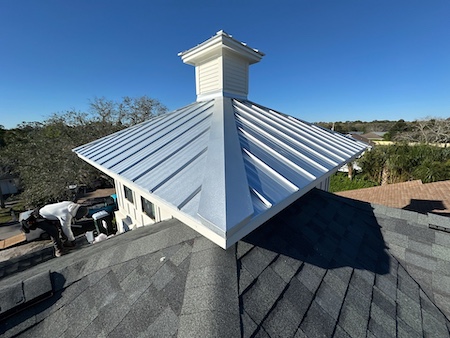
Coastal buildings in Jacksonville Beach, FL live with salt air, strong sun, and seasonal storms. Choosing between metal roofing and shingle roofing is not just a style decision. It affects energy use, wind performance, and how often your team schedules maintenance. If you are weighing your options, review our asphalt shingle roofing overview to see how today’s shingles handle coastal conditions.
For a broader look at your choices, explore our quick guide below. You can also learn more about commercial metal roofing vs shingle in Jacksonville Beach, FL across the entire site, then compare details with your facility’s needs, budget cycle, and long-term plans.
What Makes Coastal Roofs Different in Jacksonville Beach
Roofs a few blocks from the ocean face constant salt spray and high humidity. Salt can speed up corrosion on unprotected metals. Summer heat bakes roofing surfaces, and afternoon storms can dump inches of rain in minutes. When northeasters roll through, wind uplift becomes a serious stress test for edges, fasteners, and seams.
Neighborhoods like South Jax Beach, Atlantic Beach, and Neptune Beach see similar conditions. Buildings near A1A or around the Intracoastal often deal with swirling gusts that find weak points at corners and parapets. That is why system design, materials, and installation quality matter as much as the roof type itself.
Metal Roofing: Strengths, Limits, and Best Fits
Metal roofing is popular along the First Coast because panels shed water quickly and resist wind when properly fastened. Standing seam systems hide fasteners, which reduces points where salt and moisture can linger. Coatings and substrates are critical on the ocean side of Jacksonville Beach. Aluminum and specialty coated steel are common coastal picks because they handle salt better than plain steel.
Metal panels reflect much of the sun’s heat. That can help reduce cooling strain in long Florida summers. With routine inspections, sealant refresh at transitions, and attention to trim, metal roofs can serve a property for many years. Noise concerns are often overstated on commercial buildings because ceilings, insulation, and decking quiet rainfall.
Corrosion Resistance Near Atlantic Beach and Ponte Vedra Beach
Closer to the shoreline, corrosion control becomes the make-or-break factor. Look for factory-applied finishes designed for marine environments and hardware that will not react with the panel metal. Avoid mixing metals that can cause galvanic corrosion. Using compatible accessories and sealed penetrations will lower the chance of early staining or leaks along fastener lines.
Shingle Roofing: Strengths, Limits, and Best Fits
Asphalt shingles remain a practical choice for many coastal commercial properties, especially lower-slope gables on offices, places of worship, and multifamily buildings set a little farther from direct salt spray. Modern shingles come with algae-resistant granules, improved impact ratings, and stronger adhesives that help hold the tabs in windy weather. Crews can stage and install shingles efficiently, which helps limit disruption around busy parking lots and entrances.
Shingles offer a traditional look that blends well in areas like Seabreeze and up toward Mayport, and color options can pair with brick or stucco facades. The tradeoffs include more frequent inspections after big storms and a closer watch on granule wear. Valleys, eaves, and roof-to-wall transitions need careful flashing to manage the heavy downpours we see every summer.
Commercial Metal Roofing vs Shingle: Life Span, Storm Performance, and Energy
Every roof type can succeed or fail based on design and installation. That said, metal systems tend to offer longer service lives with steady care, while shingles often need replacement sooner on buildings exposed to constant sun and salt air. For storm performance, continuous metal panels with strong edge details usually handle uplift well. High-quality shingles with enhanced wind ratings can also perform, especially on roofs with clean geometry and proper fastening patterns.
Energy behavior differs. Light-colored metal with reflective coatings can help limit heat gain. Shingles are available in reflective options too, though color and product selection matter. For both systems, attic or plenum ventilation and insulation make a big difference in real-world comfort and HVAC load.
- Choose metal when corrosion-resistant materials and secure seams fit your building’s exposure and you want longer-term durability.
- Choose shingles when the architecture calls for a classic look, the building sits farther from direct salt spray, and maintenance access is simple.
Maintenance and Ownership Experience
Successful coastal roofs depend on steady attention. Plan two visual checkups each year, plus a focused walk after major storms. Look at edges, pipe boots, roof-to-wall joints, and any spot where equipment penetrates the deck. Clear drains and gutters so water moves off the roof during those fast-moving afternoon storms in July and August.
For metal, watch sealant lines at transitions and replace any failed fasteners with like materials. For shingles, keep an eye on lifted edges, missing granules in gutters, and cracked flashing. Document each visit so you can track trends over time and spot early warning signs.
Common Coastal Roofing Mistakes To Avoid
- avoid mixing metals that can react with each other near salt air. Keep panels, fasteners, and accessories compatible.
- use corrosion-resistant fasteners and trim, especially within a few blocks of the shoreline.
- seal transitions and penetrations with the right flashings rather than relying on caulk alone.
- schedule post-storm inspections so minor damage does not grow into leaks that interrupt operations.
Local Factors That Shape Your Decision
Proximity to the beach is the first filter. A retail strip on 3rd Street may merit aluminum standing seam for maximum corrosion resistance. An office building a mile inland near South Beach Parkway might lean toward architectural shingles if the design calls for it. Consider wind exposure from open parking lots, roof height, nearby trees, and how easy it is to stage equipment for maintenance.
Think about business operations as well. If your property has a busy restaurant or clinic below, choose a system that installs cleanly and allows targeted repairs without shutting down tenants. Discuss color and coating choices that reduce heat gain in west-facing exposures along Beach Boulevard and JTB corridors.
How Weatherlock Roof Systems LLC Helps Jacksonville Beach Businesses Choose Wisely
Our team evaluates each property’s exposure, roof geometry, and drainage to recommend a system that fits the site. We review flashing details, curb designs for rooftop units, and edge metal because these are the places coastal roofs get stressed first. If metal is right for your building, you can read more about panel profiles and coatings on our metal roofing page before we meet onsite.
If shingles make sense, we match products to your building’s design and maintenance plan. For a deeper dive into pros and cons in coastal settings, check out this related post from our blog: metal roofing vs shingle roofing for coastal commercial properties. That article pairs well with our shingle roofing overview so you can compare details side by side.
Project Planning Tips for Atlantic Beach and Ponte Vedra Beach
When timing a roof project, think about material lead times and late-summer storm patterns. Spring and late fall often offer steadier weather windows. Coordinate with tenants to reduce disruption during tear-off or panel staging. Plan for crane access, safety zones, and clear communication so deliveries do not bottleneck busy drive lanes.
Have a moisture survey ready for older roofs that have seen many storms. This helps target saturated areas and guides decisions about repairs versus full replacement. Detailed photos, core samples, and deck assessments give everyone a clear picture before the first crew arrives.
Signals Your Current Roof Is Near the End
For metal, widespread coating failure, loose edge metal, and recurring seam leaks hint at bigger issues. For shingles, frequent blow-offs, bald patches, and cracked flashings after moderate winds suggest it is time to talk about replacement. If you see interior staining after heavy afternoon downpours, the roof system may have multiple weak points that make piecemeal repairs less effective.
When these signs show up, invite a qualified inspector to walk the roof, document conditions, and outline the next steps. A clear plan helps you budget, prioritize, and avoid emergency calls during peak storm season.
Next Steps With a Local Team You Can Trust
Weatherlock Roof Systems LLC serves Jacksonville Beach, Neptune Beach, Atlantic Beach, and Ponte Vedra Beach with evaluations tailored to coastal buildings. We will explain options in plain language, show product samples, and outline maintenance plans that fit your operations. To start the conversation, call 904-204-4650 or send a quick note through our site.
Ready To Compare Options For Your Property?
Let us help you decide with a side-by-side look at materials, wind performance, and upkeep. If shingles are on your shortlist, review the details here and share your questions during our site visit: asphalt shingle roofing. Weatherlock Roof Systems LLC is ready to support your team with a plan that fits coastal Florida conditions and keeps your business moving.


Contact Your Local Commercial Roofing Company Today