How Often Should a Commercial Roof Be Inspected in St. Johns County?
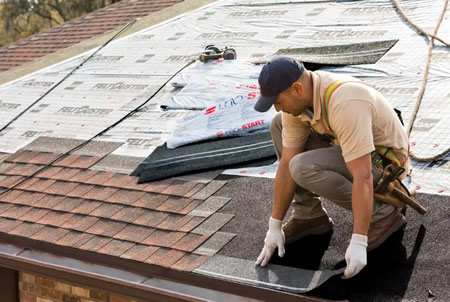
Your building depends on a reliable roof, so setting the right schedule for a commercial roof inspection in St. Johns County matters. Most properties do best with two planned visits each year plus extra checkups after big storms. If you manage facilities in Nocatee, Palm Valley, Fruit Cove, or World Golf Village, local sun, salt, and summer downpours can speed up wear. To set a plan and understand what to expect, start with a quick look at a commercial roof inspection handled by a local team that works in our climate every day.
Commercial Roof Inspection Frequency in St. Johns County
For most commercial buildings, twice a year works well: one visit in late spring and another in late fall. Spring sets you up before the hottest months. Fall confirms your roof is sound after peak hurricane activity and before winter fronts arrive. Properties along the Intracoastal or near open parking lots in Julington Creek and Switzerland often see more wind and debris, so they benefit from a steady rhythm all year.
Beyond seasonal checks, add an inspection any time you see interior stains, notice unusual rooftop traffic, or your tenants report odors after rain. It is better to catch a small seam lift or clogged drain early than to deal with a shutdown later.
Local insight: In St. Johns County, plan your spring inspection by May and your follow-up after peak storm season. Afternoon downpours and salt air can age membranes faster, so a steady schedule protects interiors and warranties.
Factors That Shape Your Inspection Cadence in Florida
No two buildings are alike. Your ideal cadence changes based on:
- Roof type and age. TPO, PVC, and EPDM age differently than coated metal or modified bitumen.
- Exposure. Ocean-facing sites in Ponte Vedra Beach see more salt and wind than sheltered campuses.
- Foot traffic. Frequent trips to HVAC units wear paths that need extra attention.
- Debris load. Live oaks near drive lanes in Fruit Cove can clog strainers and scuppers.
- Equipment changes. New penetrations, curbs, or solar mounts merit an extra visit.
If your roof is older or the building runs long hours, a quarterly plan may make sense. If it is newer with limited traffic, semiannual visits plus post-storm checks usually keep things on track.
What Inspectors Look For on Flat and Low-Slope Roofs
Professional inspectors follow a methodical path that covers structure, surface, and details. During a visit, they typically:
- Review drainage: internal drains, scuppers, and gutters for clogs and ponding signs
- Probe seams and transitions at corners, T-joints, and field welds
- Check flashing at walls, curbs, skylights, and rooftop equipment
- Inspect parapet caps, edge metal, and terminations for uplift risk
- Scan high-traffic walkways for scuffs and punctures
- Look for coating wear on metal, surface chalking, or algae trails
- Document prior repair areas and note movement or separation
Want background reading between visits? Browse practical, Florida-focused roofing tips for businesses to see how heat, drainage, and storm patterns affect roofs like yours.
Plan Inspections Around Storm Season
Our weather in St. Johns County swings from long, sunny stretches to sudden afternoon storms. That cycle stresses seams and drains, especially on flat roofs in areas like Durbin Crossing and near busy corridors where dust settles on membranes. Build your calendar so a pro inspects before summer heat and again after storm season settles down.
If a named storm brushes the First Coast, or if wind-driven rain hits your site, schedule an extra visit. A quick follow-up can confirm that edges, flashings, and drains handled the load. If you prefer a hands-off schedule, enroll in a roof maintenance program so a technician can schedule a commercial roof inspection at the right times without you having to watch the calendar.
Inspection Cost Factors Property Managers Should Know
Every roof and site is different, so pricing varies. Typical drivers include roof size and complexity, the number of rooftop units, access and safety needs, the level of documentation requested, and whether leak tracing or moisture scans are required. Multi-building campuses or properties with restricted access windows may also change the scope. A clear request that lists roof type, known trouble spots, and preferred report detail helps your contractor deliver an accurate plan without surprises.
Documentation and Warranty Safeguards
Inspection reports protect budgets and warranties. Ask for photos with notes and a short action list for urgent, near-term, and long-term items. Keep a simple photo log with dates so you can compare conditions from one visit to the next. That record helps your team answer questions and supports manufacturer warranty requirements.
If you are comparing partners for a commercial roof inspection in St. Johns County, FL, start with a firm that inspects, maintains, and replaces systems across our neighborhoods. Consistency matters, because the best results come from a crew that knows your roof and tracks it over time.
When To Add an Extra Visit
Your twice-a-year rhythm covers most needs, but schedule an additional inspection if you notice any of the following:
- Always schedule an inspection after a named storm, even if leaks are not visible
- Fresh ceiling stains, musty odors, or damp insulation in top-floor spaces
- New rooftop penetrations, equipment swaps, or trades working on the roof
- Ponding that lingers a day after typical rain in places like Julington Creek
- Nearby construction that adds dust or debris to the membrane
- Visible uplift at edges or loose counterflashing
Who Should Perform Your Commercial Roof Inspection
Choose a licensed, insured Commercial Roofing Company with deep local experience. A qualified team understands how heat, salt air, and fast-moving storms affect materials and details. They also recognize patterns seen across Nocatee, Palm Valley, and World Golf Village, so they know where small issues tend to start.
Do not allow untrained staff on the roof. Foot traffic, misplaced tools, or a step on a soft spot can turn a minor concern into a leak. Instead, have a pro walk the system and share photos so you can make clear decisions from the ground.
Ask about report formats, response times for urgent items, and how the team prioritizes repairs. Hire a licensed, insured commercial roofing company that can handle inspections, maintenance, and follow-up repairs with one crew. When needs go beyond minor fixes, you will already have a partner who knows your roof.
Set Your Schedule With a Local Team
Your roof protects people, equipment, and revenue. A steady plan fits St. Johns County’s weather and avoids surprises. If you want one partner to manage the calendar, documentation, and follow-through, our commercial roofing services make it simple. You can also call 904-204-4650 to set up visits that align with tenant schedules and seasonal weather.
Ready to make decisions with confidence? Connect with Weatherlock Roof Systems LLC to book your commercial roof inspection. We will confirm conditions, share clear next steps, and help you keep operations running smoothly through heat, rain, and storm season.


Contact Your Local Commercial Roofing Company Today