How Florida’s Heat Impacts TPO Roofing on Commercial Buildings in Nocatee, FL
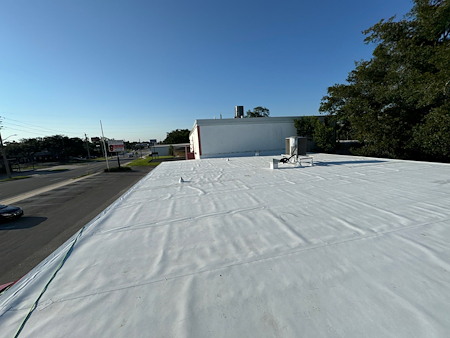
Florida’s sun is tough on flat and low-slope roofs. That’s why many property managers choose TPO for its bright, reflective surface and welded seams. Still, summer heat, humidity, and UV can speed up wear if the system is not designed and maintained for our climate. If you operate near Nocatee Town Center, along CR‑210, or by the St. Johns Parkway corridor, here’s what to know and how commercial roofing pros at Weatherlock Roof Systems LLC keep your roof performing.
Why TPO Roofing in Nocatee, FL Faces Extreme Heat
On clear summer afternoons, roof surfaces can get much hotter than the air. That temperature swing repeats day after day from May through September. TPO membranes flex with heat, but constant expansion and contraction stress seams, flashings, and terminations around curbs and parapets.
UV exposure is another factor. The white top layer reflects a lot of sunlight, yet UV still ages the surface over time. Dirt, pollen, and coastal salts from Ponte Vedra and Jacksonville Beach can dull reflectivity, which means more heat gain and faster aging if left uncleaned.
How Heat and UV Affect TPO Membranes and Seams
- Thermal movement: Daily heating and cooling can tug at seams, T‑joints, and edge metal, leading to stress at welds.
- Surface weathering: UV can cause the surface to chalk and dry out, especially on high points, corners, and south-facing edges.
- Soiling and reflectivity loss: Pollen, dust, and soot reduce the membrane’s ability to reflect sunlight, raising rooftop temperatures.
- Flashings and details: Around HVAC curbs and pipe boots, heat concentrates and can speed up wear if details are not reinforced.
None of this means TPO is a bad choice. It means Florida buildings need the right details and steady professional care. When your system is installed with quality welds and protected with regular cleaning and inspections, it stays reliable for years.
Local Risk Zones on Jacksonville-Area Rooftops
Every building is different, but we see patterns across Saint Johns County. Roofs near Crosswater, Twenty Mile, and World Golf Village often have long sun exposure with little shade. Facilities closer to US‑1 or I‑295 may take on more airborne dust and soot. Both conditions raise rooftop temperatures and increase surface soiling.
High-traffic paths to rooftop units are another risk. If crews cut corners to save a few steps, scuffs can appear near the shortest path to the air handlers. Walkway pads help, but they need to be placed where teams actually walk.
Design Choices That Help TPO Beat the Heat
Smart specs and details make a big difference in Florida. Here are field‑proven choices our team recommends when designing or replacing TPO systems in Saint Johns County:
- Reinforced perimeter and corners: Stronger fastening and extra attention where wind and thermal forces concentrate.
- Wide, consistent welds: Proper temperature and travel speed create durable seams that hold up under daily movement.
- Thoughtful walkway layout: Pads from access hatches to every serviceable unit reduce scuffs and punctures.
- Drainage first: Clean, correctly sloped drains and scuppers cut down on ponding that bakes into the membrane after storms.
For specs and advantages specific to the material, explore our overview of tpo roofing and see how membrane thickness, reinforcement, and color choices affect performance.
Pro Maintenance That Extends TPO Roof Life
In our climate, the best money you can spend is a steady maintenance rhythm. Professional cleanings restore reflectivity, and trained eyes catch small problems before they interrupt your operations in Nocatee, Fruit Cove, or Julington Creek.
A strong maintenance visit typically includes:
- Membrane cleaning to remove pollen and salt film, restoring reflectivity and lowering heat load
- Seam and T‑joint review with probe testing, followed by targeted rewelds where needed
- Detail checks at curbs, parapets, and terminations, with added patches or covers if wear is starting
- Drain and scupper cleaning so ponding water does not “cook” the surface after storms
- Walkway pad adjustments based on real traffic patterns
Use a certified TPO installer for all heat‑welded seams. Proper weld temperature, pressure, and overlap are critical in Florida heat, and small mistakes can grow fast once summer arrives.
What Heat Wear Looks Like On A TPO Roof
It helps to spot issues early. Look for a dull, chalky film on sunny exposures, isolated wrinkles near edges, or scuffs along travel paths to rooftop units. Around pipe boots and pitch pans, check for hairline splits or lifting sealant. If you manage a plaza near Nocatee Town Center, peek up from the parking lot after a heavy rain. If water remains long after neighboring roofs have dried, your drainage may need attention.
For more local insights and building-manager guides, browse our latest roofing articles. We cover common Florida problems with photos, simple explanations, and next steps that keep tenants comfortable and operations steady.
Repair, Recovery, Or Replacement: Choosing The Right Path
Heat wear does not always mean a full tear‑off. If the substrate is sound and moisture is contained, a professional can often make surgical repairs or plan a roof recovery that adds a new membrane over the old system. When damage is widespread or moisture has traveled, replacement may be the cleanest, most reliable option to protect your business.
Talk with a local pro who understands Florida heat patterns and storm seasons. The right partner will core sample as needed, map moisture, and explain which option reduces risk for the long term instead of kicking the can down the road.
When you are ready to weigh options, our team can evaluate your roof and explain solutions without pressure. Learn how Weatherlock Roof Systems LLC approaches inspections, repairs, and long‑term planning for area facilities on our commercial roofing page.
How To Get Ahead Of Summer Heat In Saint Johns County
Beat the heat with timing and documentation. Schedule your spring inspection before the first long hot spell, then follow up after the peak season. Keep a simple roof log with photos and dates. That record helps you track changes and supports manufacturer warranties.
Document maintenance to protect warranties. Keep copies of inspection reports and service photos. If a leak appears during a busy holiday rush, that file helps everyone respond faster and pin down warranty coverage.
Never allow untrained staff on the roof. Beyond the safety risk, a single misstep can puncture the membrane or kick debris into a drain. Leave access to trained vendors who know how to move across a TPO surface without causing damage.
Energy And Comfort Benefits You Can Feel
When your TPO roof stays clean and tight, the interior runs cooler and more stable. Tenants in office parks off CR‑210 notice fewer hot spots near top floors, and retail suites along Nocatee’s main corridors stay more comfortable on sunny afternoons. Clean, reflective membranes help HVAC work less, which can reduce strain during the hottest weeks.
You can also make better capital plans. With accurate inspections and photos, budgeting becomes clearer, and you avoid surprises that disrupt operations or tenants.
Ready To Protect Your Roof And Operations?
If your building is in Nocatee, Palm Valley, or anywhere in Saint Johns County, our team is ready to help. See why local managers trust Weatherlock Roof Systems LLC for TPO roofing in Nocatee, FL and ongoing care that keeps facilities open and dry all summer.
Schedule before peak heat to get the most benefit from cleaning and seam tune‑ups. Call us at 904-204-4650 or reach out online. When you want clear answers and reliable timelines, you’ll get both from a local crew that knows Florida roofs.
Let’s map the right plan for your facility and keep small issues from becoming big disruptions. Start here and learn what to expect with our step‑by‑step process on commercial roofing in Nocatee.


Contact Your Local Commercial Roofing Company Today